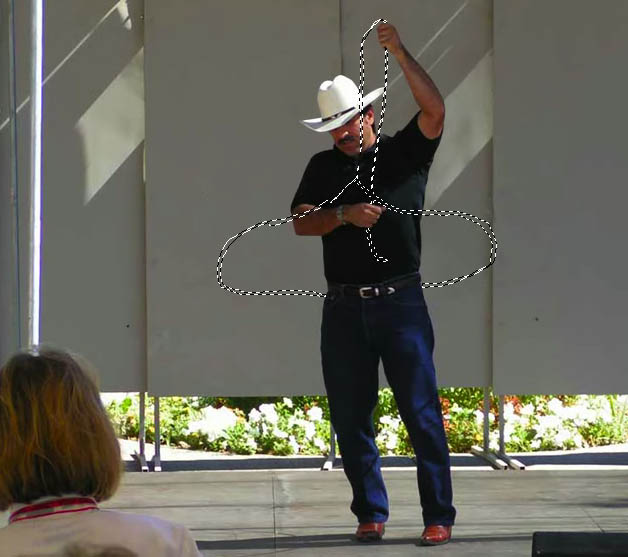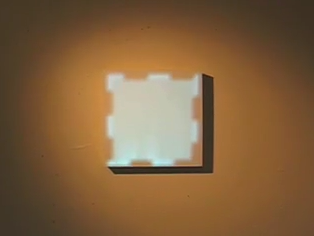
»One Pixel Self Portrait, Selected« (2007) by Ilia Ovechkin.
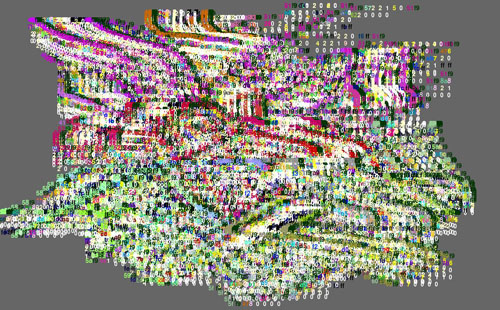
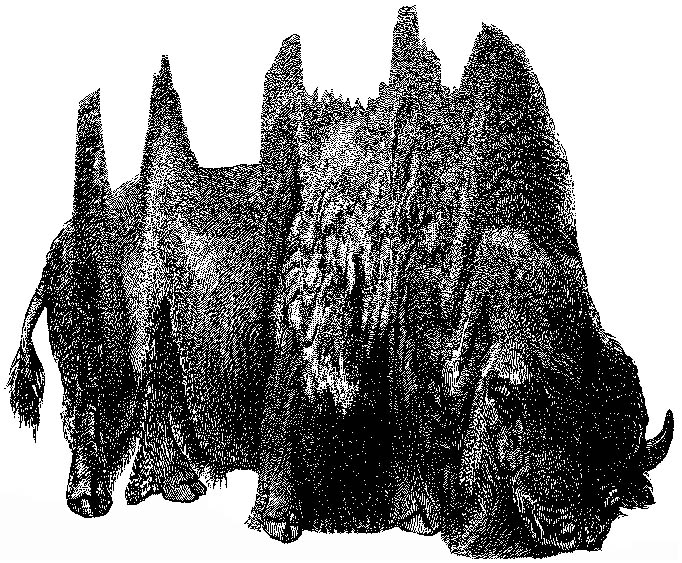
»scratch-a-bit«, scratching the output bytes of your laptop’s trackpad “resonated” through hardware and software protocols. By Rodrigo Derteano.

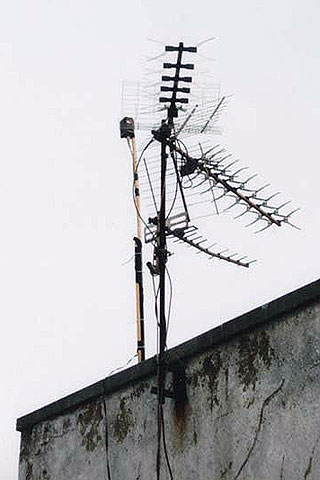
»Untitled (Uniform Density Star Field)«, 2006, (an artificially created, uniform distribution of stars) by Damon Zucconi.
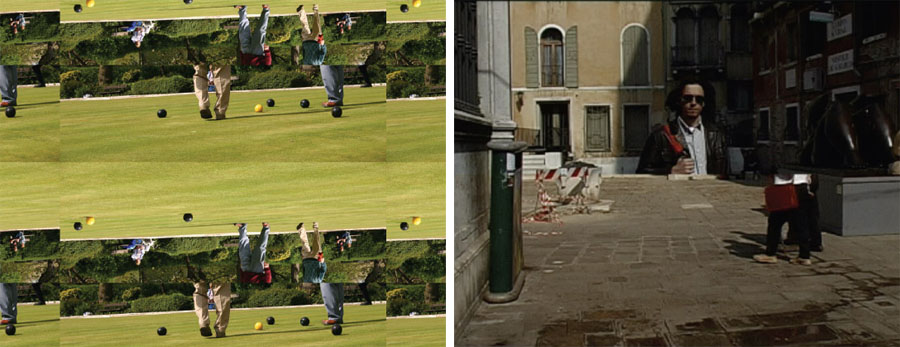
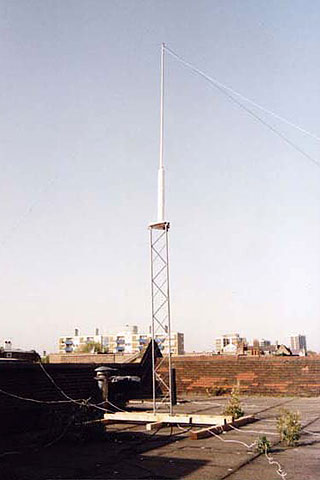
»Woodhouse Bowling Club«, 2006, computer animation, and »Campiello S. Vidal 9:30 – 17:30«, video. By Svetlana Mircheva .
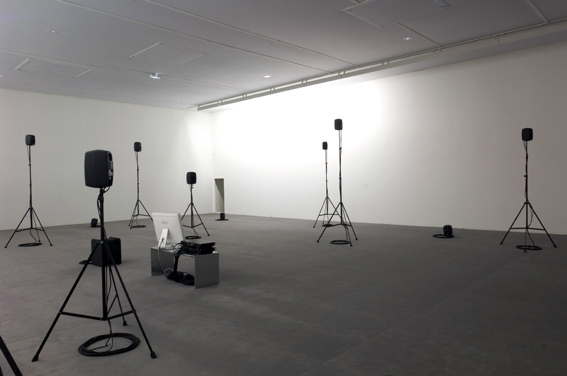
“Asynchronous Jitter” (4 Channel Sound Piece with a 15 Channel computer controlled spatialisation system) by Florian Hecker.
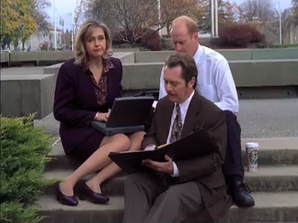
»Stock Exchange«, 2006, takes the form of a video ‘letter’ written to the footage acquisitions department at Artbeats Software, Inc., a company whose main business is to provide high quality and royalty-free film and video clips for commercial clients. The artist theorizes how the company might go about accepting (or not accepting) footage shot by freelance videographers, eventually asking Artbeats to define their selection criteria. The response, during which a representative of the company lists a set of ‘shooting tips and guidelines’ is juxtaposed with actual clips from the Artbeats catalog. The work as a whole seeks to meditate on the construction of visual meaning in today’s very fluid (and increasingly template-driven) image economy.
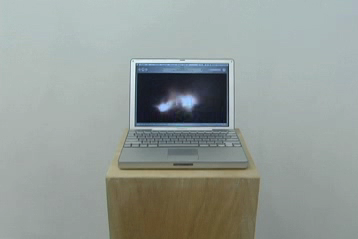
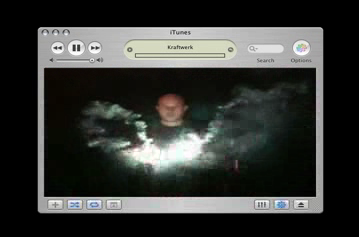
»i (towards a reconciliation with technoromanticism)«, 2004, is an inquiry into modes of escapist representation within leisure and entertainment technology. Apple’s iTunes software was modified using Apple’s own plug-in architecture, originally built to allow non-affiliated programmers an opportunity to come up with their own algorithms for the ‘Visualizer’ component of iTunes. In this case the original Visualizer engine was swapped out, not for another synced color/shape generating algorithm, but for a looped video of the artist creating light patterns with common sparklers. The piece was shown orginally on a laptop computer playing seminal classics by Kratfwerk, but any music can be played. By Nate Harrison.
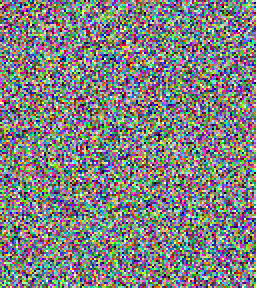
»Serie 1024 x 768« by Johannes Franzen. This is an artist programmed software that makes a new image appear in a five to ten second interval. This means that for every new picture the computer program assigns a color to each of the 1024 times 768 dots. The machine does not proceed linearly, i. e. attribute a different color one by one to the dots on display. Rather, a random generator turns out new colors for all the dots with each new calculation; every time, every theoretically possible image can appear.
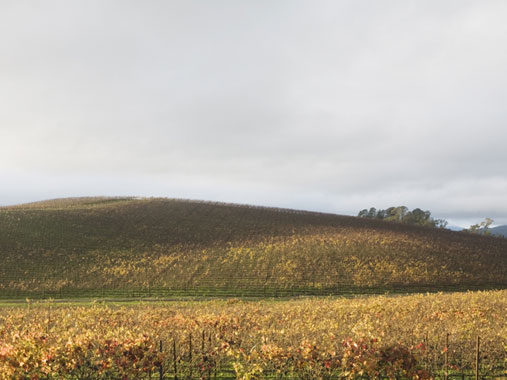
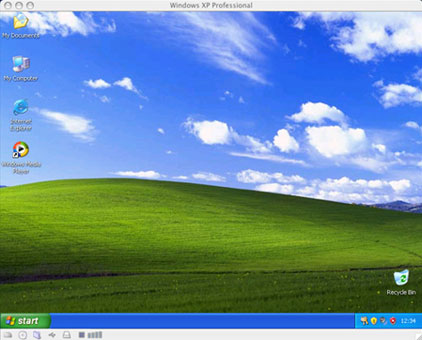
“After Microsoft” by Goldin+Senneby. (Photograph “Bliss” by Charles O’Rear. The image was used as the default computer wallpaper for the “Luna” theme, which was included with Microsoft Windows XP).