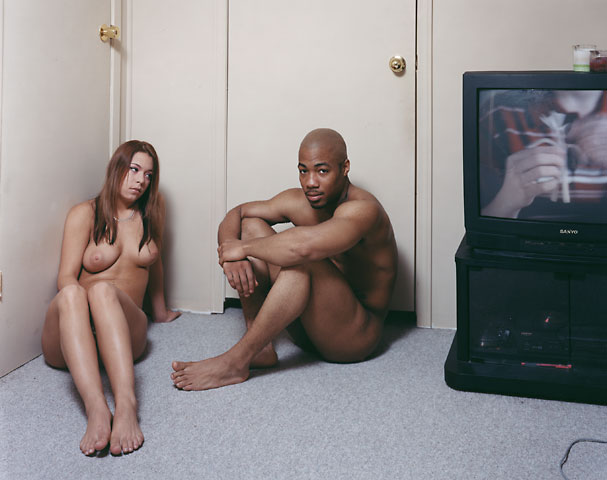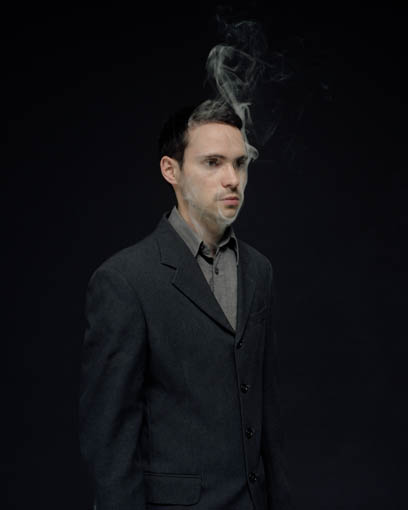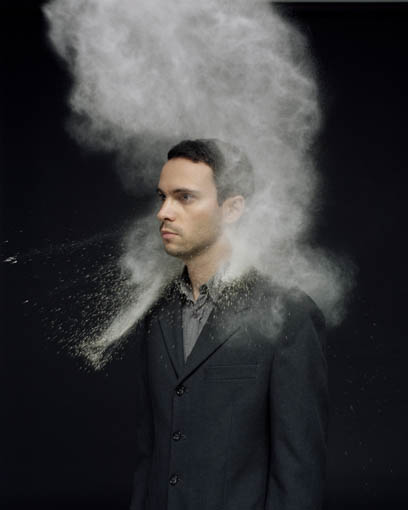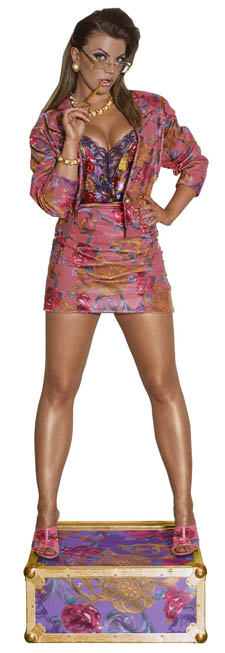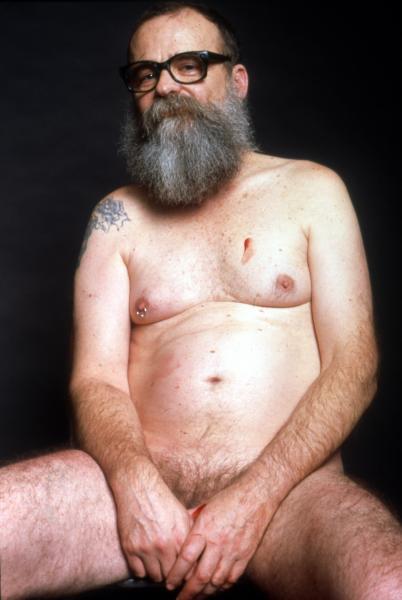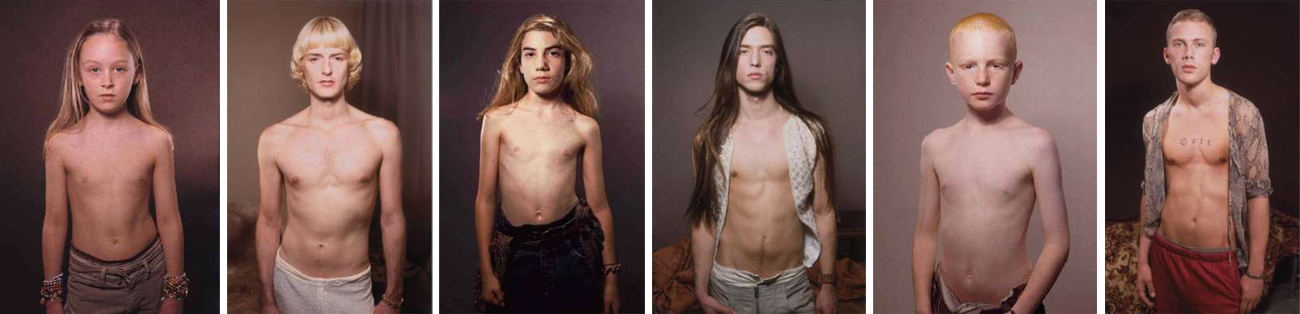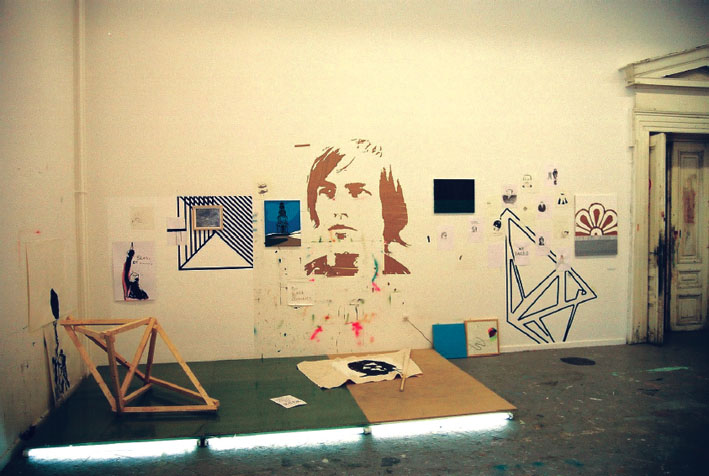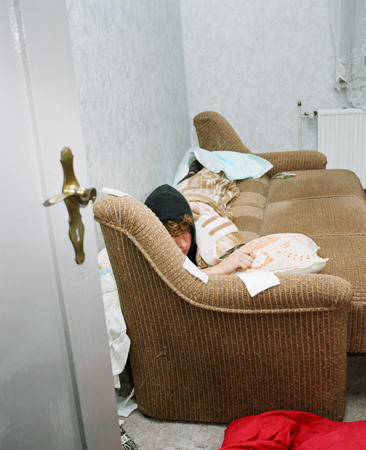
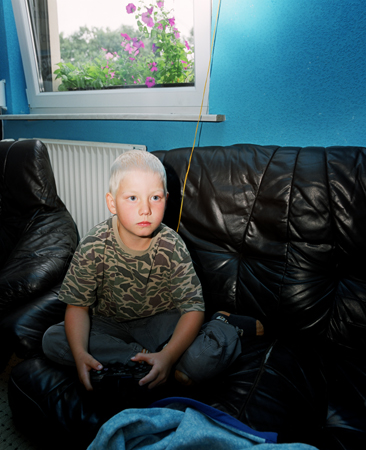
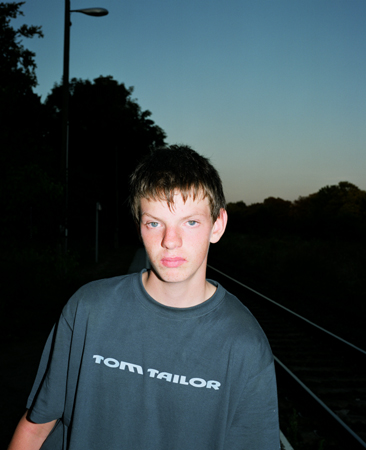
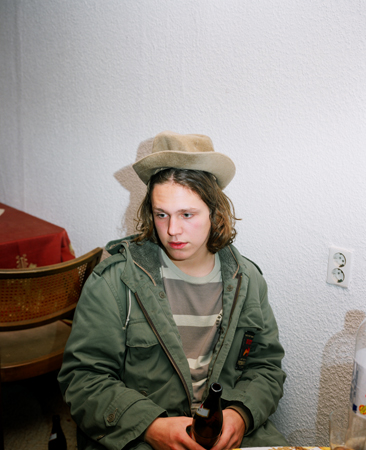
“Oderland” by Elmar Haardt.
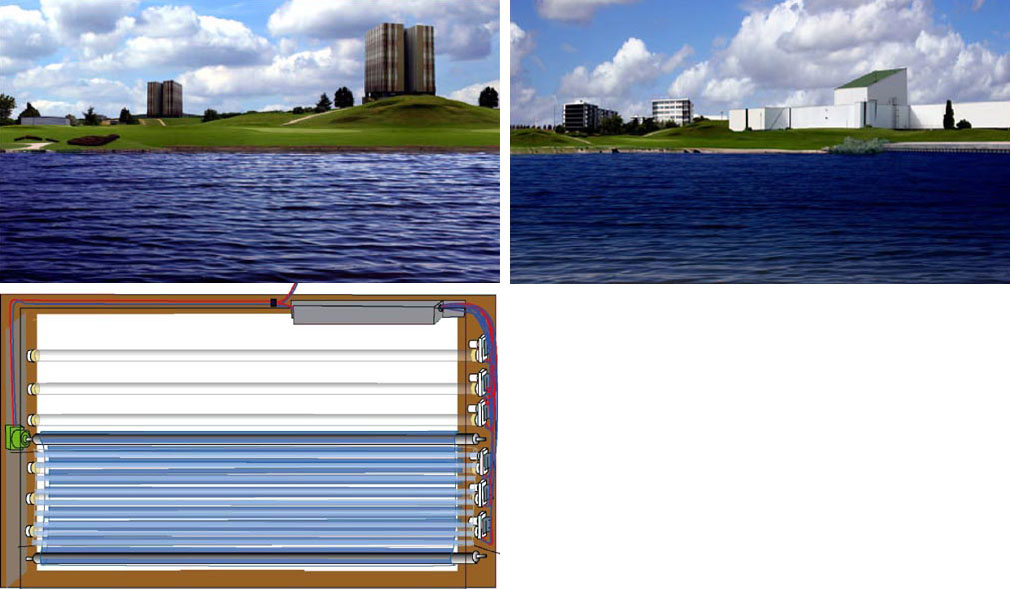
Le Truc Du Chinois, refer to (industrial) ”tableaux” you can generally find in chinese retaurants or in fast-foods. They are light boxes (originally for use in advertising – neon signs- and very often used in contemporary photography) with a mechanism that moves some filters between the light source and the back-lit picture. This gives a kinetic effect, providing the object with a kind of magic. These touched up photographs usually represent exotic landscapes : luxurious nature with azured skies and watered downs, sometimes with a water fall. By replacing these exotic scenes by council blocks, waste lands and other views of the outskirts, and by keeping only the waterfall as an element of the landscape, BBE recreates a utopian project: the “villes nouvelle” and their idyllic living environment.
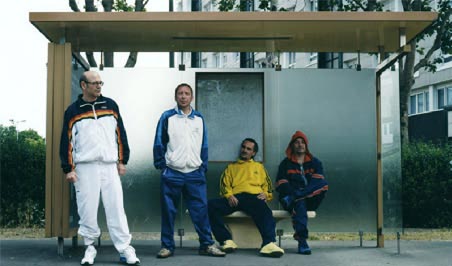
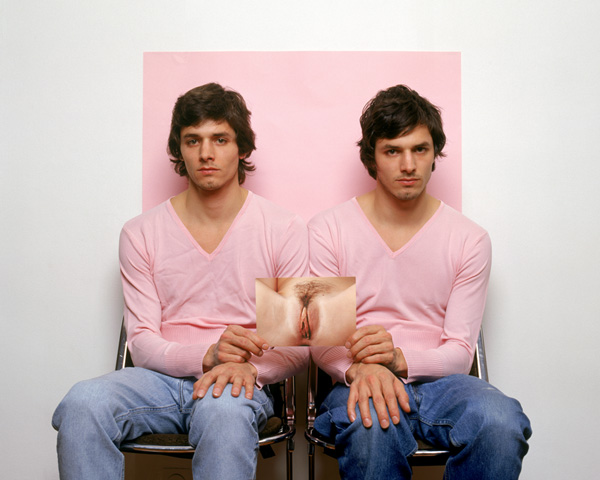
Sauvageons, Bad Beuys Entertainment’s selfportrait, for which they used models.
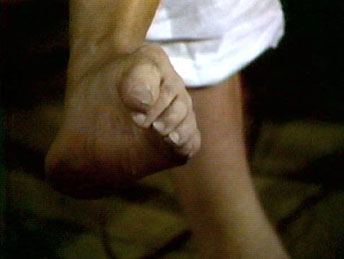
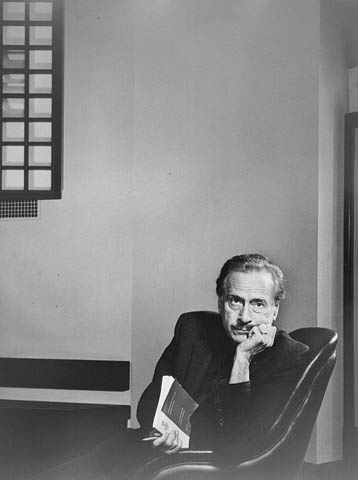
Nam June Paik, 1978 by the Vasulkas. Also see the Vasulka Archive.
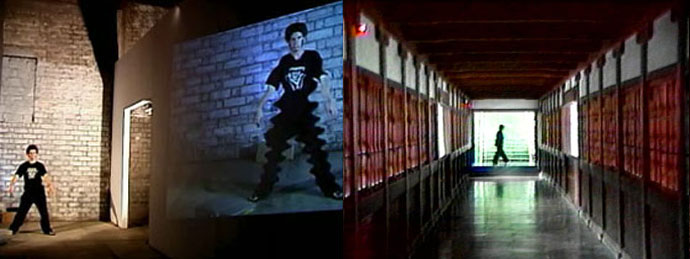
Bent Scans, 2002 and A So Desu Ka, 1993 by Steina Vasulka.
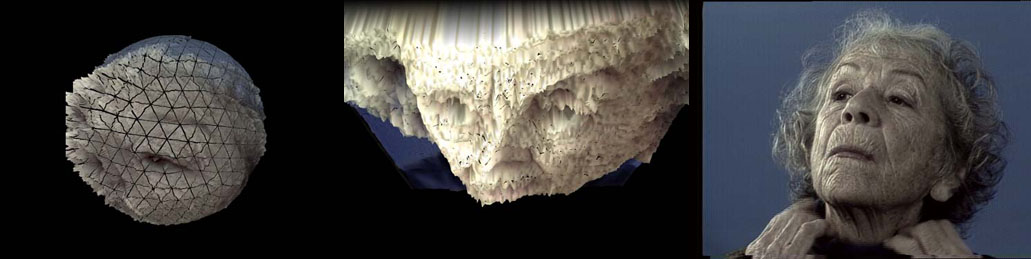
Doris, 1996 by Woody Vasulka.
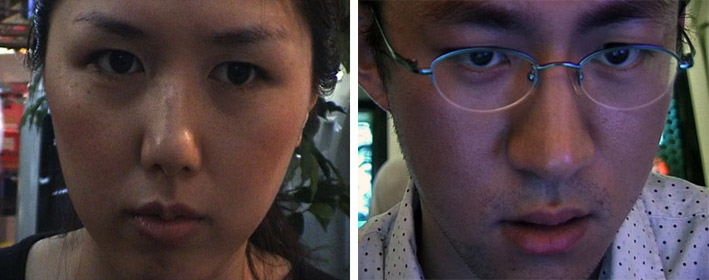
»Tokyo Arcade Warriors – Shibuya« is part of an ongoing series of videoportraits of players of video and computer games. It was shot in three different Public Gaming Arcades near Shinjuku/Tokyo. The faces of the players are the only visible evidence of the game being played. Their facial reactions are synced with the sounds emerging from the game consoles.
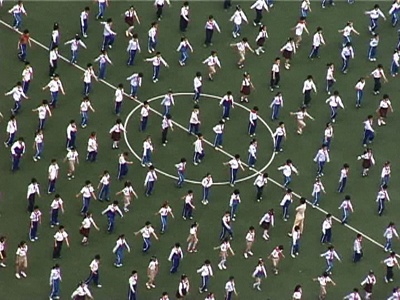
The film »Brilliant City« was shot from the 34th floor of a residential complex in Shanghai. The film reacts to a particular visual paradigm, which is well known from strategy and simulation computer games (Sim City, The Sims) as the so called God View.It is the distanced perspective usually taken on by city planners, game players or politicians. Both projects by Axel Stockburger.
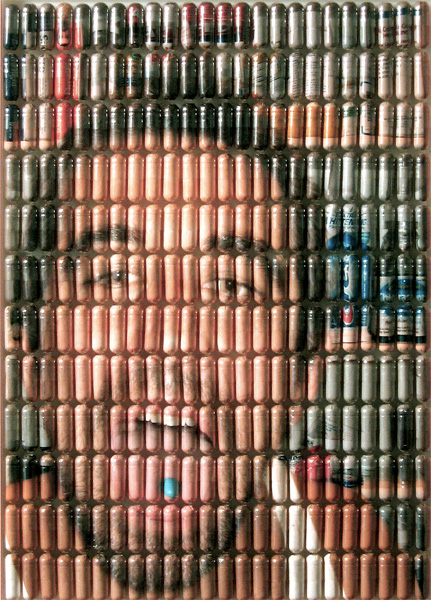
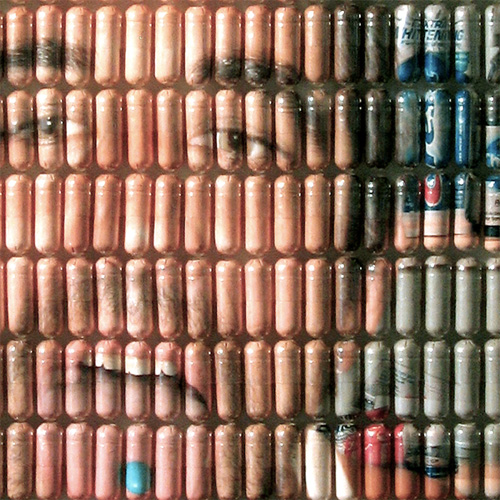
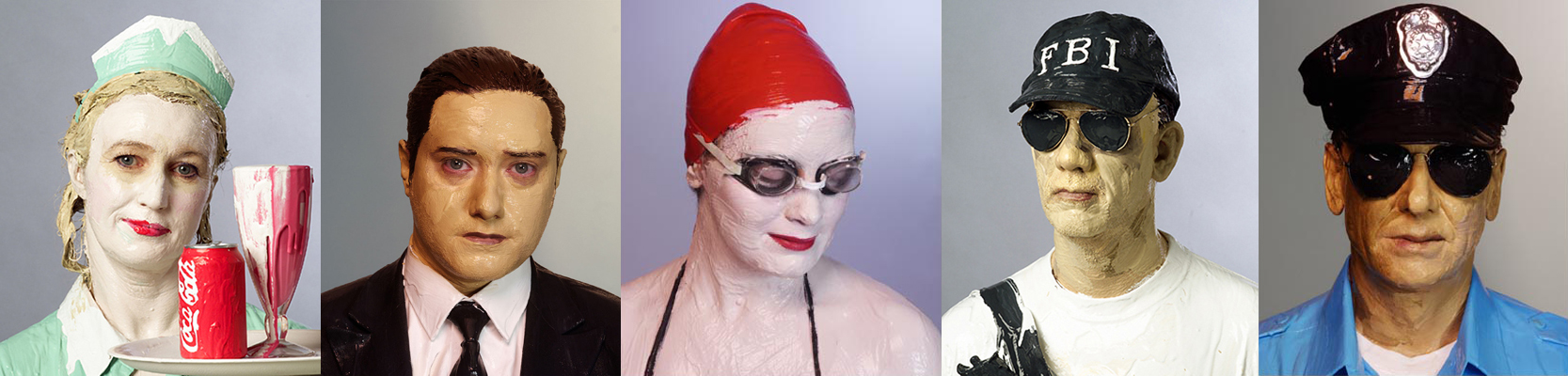
Archival C print, vegi gel capsules, acrylic. “Little Boy Blue” by Andy Diaz Hope.
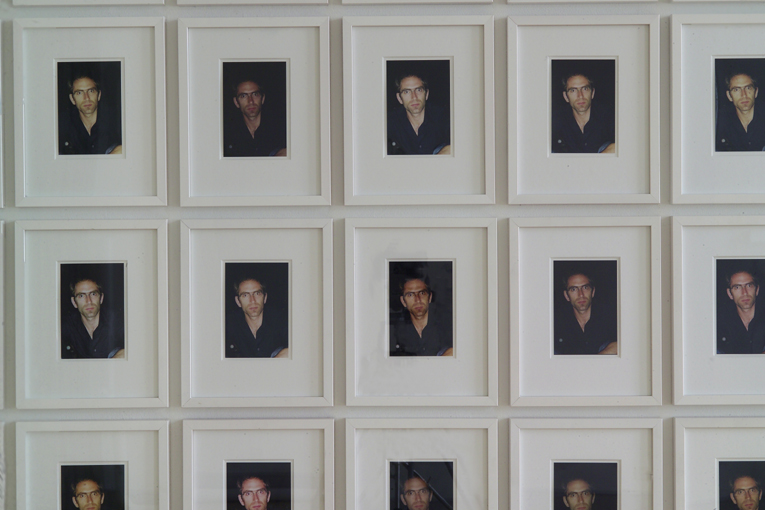
»Selfportrait #6« (50 colour photographs, produced by different photographic labs the world over) from 2002.
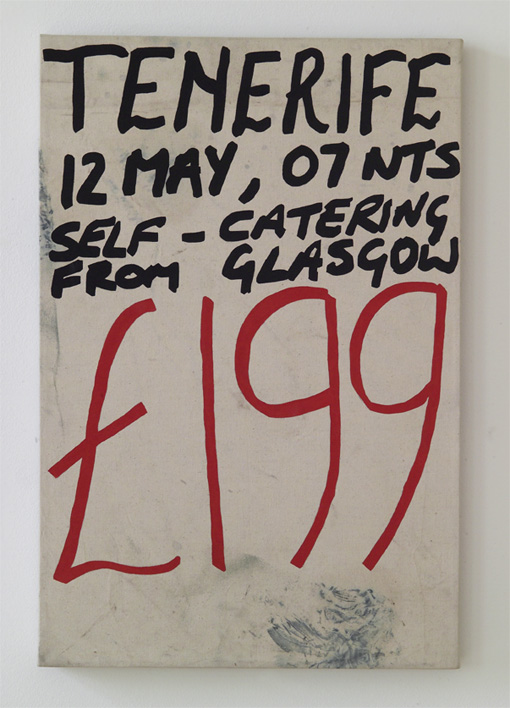
»Holiday Painting No 88« (Tenerife) from 1992. The price of the painting is identical to the price of the budget travel package.
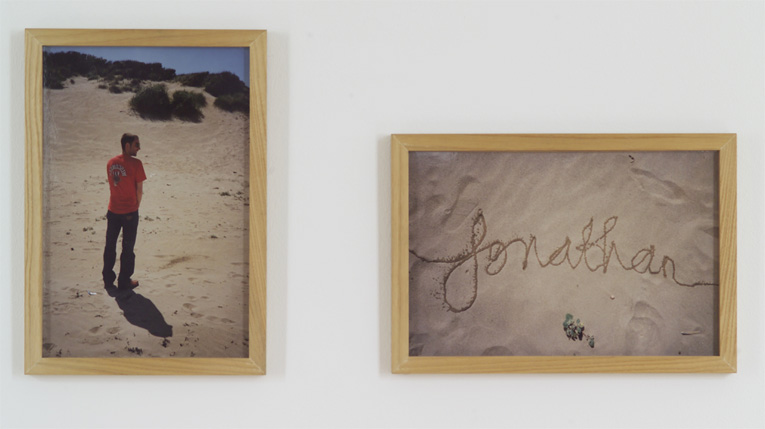
»My Name Written in My Piss« from 1994. All three projects by Jonathan Monk.
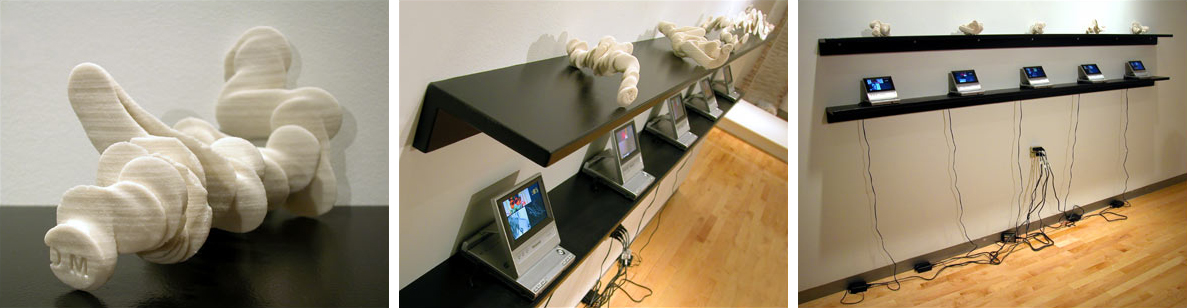
“One Minute” by Meridith Pingree. Participants generate portraits of their physical personality when they wear a strap-on video pinhole camera headband for one minute. The movement of the camera is translated into a three-dimensional line drawing and output as an object by a 3-D printer.